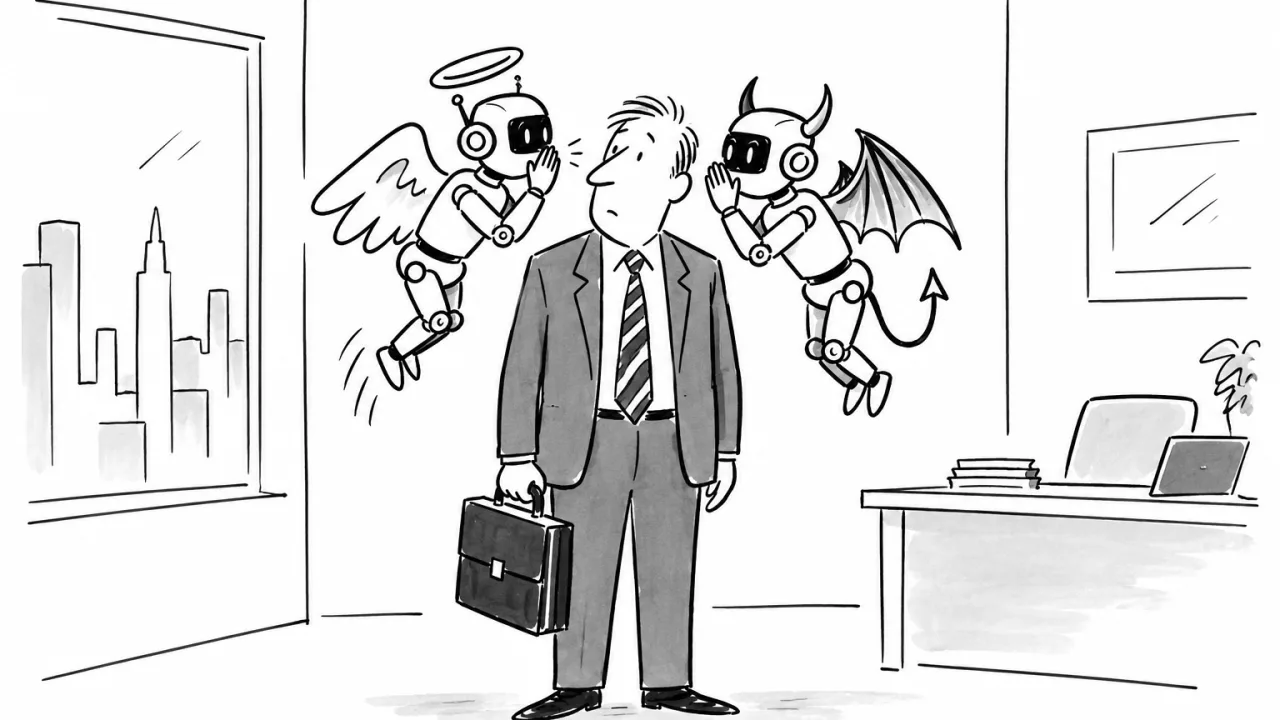

After several weeks of thinking harder than ever about how AI and corporate reputation interlock, three ideas keep coming back to me.
The question everyone asks
I recently hosted a webinar on this topic, and thanks to some thoughtful questions from the audience, the conversation kept returning to one subject: AI search. How do we get the AIs to say the right things about us, the nice things? Is there a magic formula for making sure that when Joe Public asks a chatbot about our company, the answer is favorable?
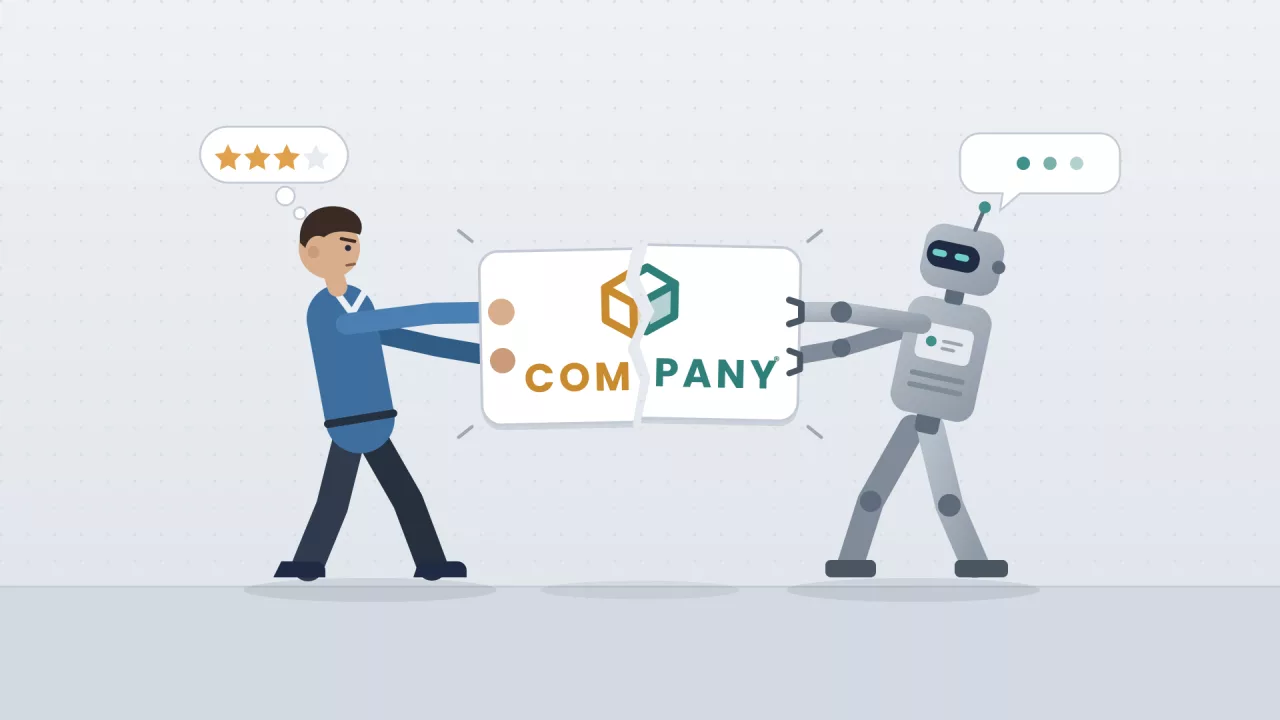
I understand the instinct, but I couldn’t help noticing the irony. For years, I’ve been urging companies to listen to what their stakeholders, Joe Public included, think and believe, and to track it in real time. It was often a hard sell. Now, finally, there’s a “stakeholder” that companies are desperate to listen to, and they’re not wrong to want to know what the chatbots are saying. But as we argued in June, AI isn’t a stakeholder at all. It’s a channel: it has no relationship with your company and no behavior of its own, what it says reflects what’s already out there, and you measure it the way you measure media, by sentiment and volume.
Volume is where the imbalance really shows. As I’ve written before, not as many people are reading what AI says about you as the hype suggests: on average, 57% of the people we surveyed hadn’t used a chatbot to research a company at all, and those who had were already warmer toward it, with Trust & Like Scores averaging 15 points higher. The people you most need to win may be the ones who never ask. So companies that put all, or too many, of their eggs in the AI search basket rather than the traditional stakeholder basket are misallocating resources, and could rue the consequences.
That doesn’t mean ignoring AI search. Audit it, as you would any channel that matters. Just don’t mistake it for your stakeholders.
The risk leaders see
The second idea is the risk itself. Earlier this month, a survey of more than 150 former ministers and senior executives ranked the misuse of AI as the biggest threat to corporate reputation, ahead of child safety, privacy breaches and geopolitical instability. Regular readers know I’ve been writing about these risks, in two parts, so it was gratifying, if a little grim, to see leaders agree.
The public side of this isn’t new. Just over a year ago, our first survey of perceptions of generative AI found more than 40% of people using at least one AI tool several times a week, but only one in five trusting its output. Transparency wasn’t a cure: only 25% said a company being open about its AI use made them trust it more, while 31% said it made no difference. People are using tools they don’t trust, and that is the backdrop to every company’s AI story.
The issue people fear
The third idea comes from the data we collect on the issues people expect to shape society over the next twelve months. The usual suspects dominate: the cost of living, energy prices, armed conflict, the Trump presidency, and crime. But AI is now a top-ten issue in every one of the 28 countries we track issues in, a top-five issue in 20 of them so far this year (25 in the latest quarter), and the number one issue in China, India, South Korea and Taiwan. Globally it’s second only to the cost of living, at 26% so far this year, touching 30% in the week of September 28. In the US it’s ranked third so far this year, at 25%, and level with the Trump presidency as the second-ranked issue in the latest quarter, at 26%.
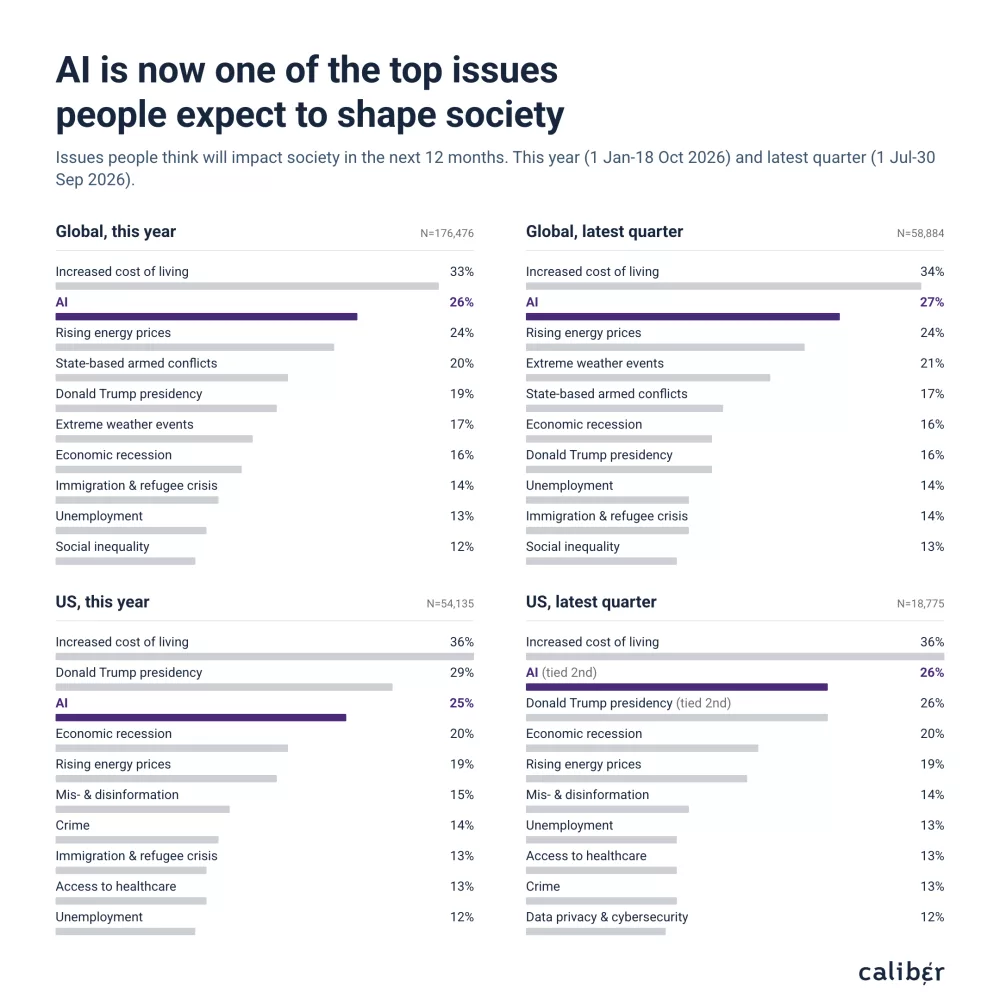
Why does it matter? Because an issue people care about is one they hold companies accountable for, including in how they use it.
Where I’ve landed
AI is now three things to a company’s reputation at once: a channel, in what chatbots say about you; a risk, in what you do with it; and a topic, in what stakeholders worry about. The first gets nearly all the attention, but the second and third are about stakeholders, and stakeholders haven’t gone anywhere.
(This article was originally published by Caliber CEO Shahar Silbershatz in his LinkedIn newsletter, What People Think.)