Stakeholder intelligence is the collection, analysis, and interpretation of diverse data about all the people who matter to organizations.
By understanding them better, organizations can make informed decisions that strengthen relationships, build trust, and improve outcomes.
Unlike traditional approaches that focus on one audience or one channel, stakeholder intelligence takes a whole-system view.
It looks across stakeholder groups, tracks how perceptions change, and helps organizations understand why those changes are happening and what they are likely to affect.








































fragmented across teams and functions
measured infrequently
focused on activity rather than belief
difficult to connect to outcomes
consumer brand metrics without employee context
employee engagement scores without external perspective
media coverage without insight into what stakeholders actually believe
sentiment data without understanding intent or impact
Stakeholder intelligence addresses this gap by integrating perspectives and turning information into understanding.
Stakeholder intelligence complements existing data sources by showing how they relate to each other — and what they mean together.
a systematic way of understanding multiple stakeholder groups
continuous rather than episodic
focused on perception, trust, and intent — not just exposure or awareness
designed to support decision-making, not just reporting
a systematic way of understanding multiple stakeholder groups
media monitoring or social listening in isolation
an annual reputation study
a replacement for functional tools (marketing, HR, IR), but a layer that connects them
to understand emerging risks and opportunities earlier
to identify misalignment between stakeholder groups
to connect communications, marketing, HR, and IR activity to outcomes
to make complex decisions with better evidence
to manage trust as a strategic asset rather than an abstract concept
In environments where perception changes quickly and decisions are scrutinized publicly, understanding stakeholders is no longer optional.
Stakeholder intelligence is used by leaders who need to understand multiple audiences at once and make decisions with confidence.
CCOs responsible for reputation monitoring, issues and comms effectiveness
CMOs looking to understand brand health beyond customers alone
CHROs connecting culture, employer brand, and external perception
Chief Risk Officers anticipating reputational threats and their potential consequences or business impact

These leaders use stakeholder intelligence not as a reporting tool, but as an input into ongoing decision-making.
At a practical level, stakeholder intelligence involves five core steps:
This typically includes customers, employees (current and prospective), investors, suppliers, communities, and opinion leaders — depending on the organization.
Stakeholders are asked about relevant issues, perceptions, trust, and intent — not hypotheticals or abstract sentiment, but questions grounded in real decisions and behaviors.
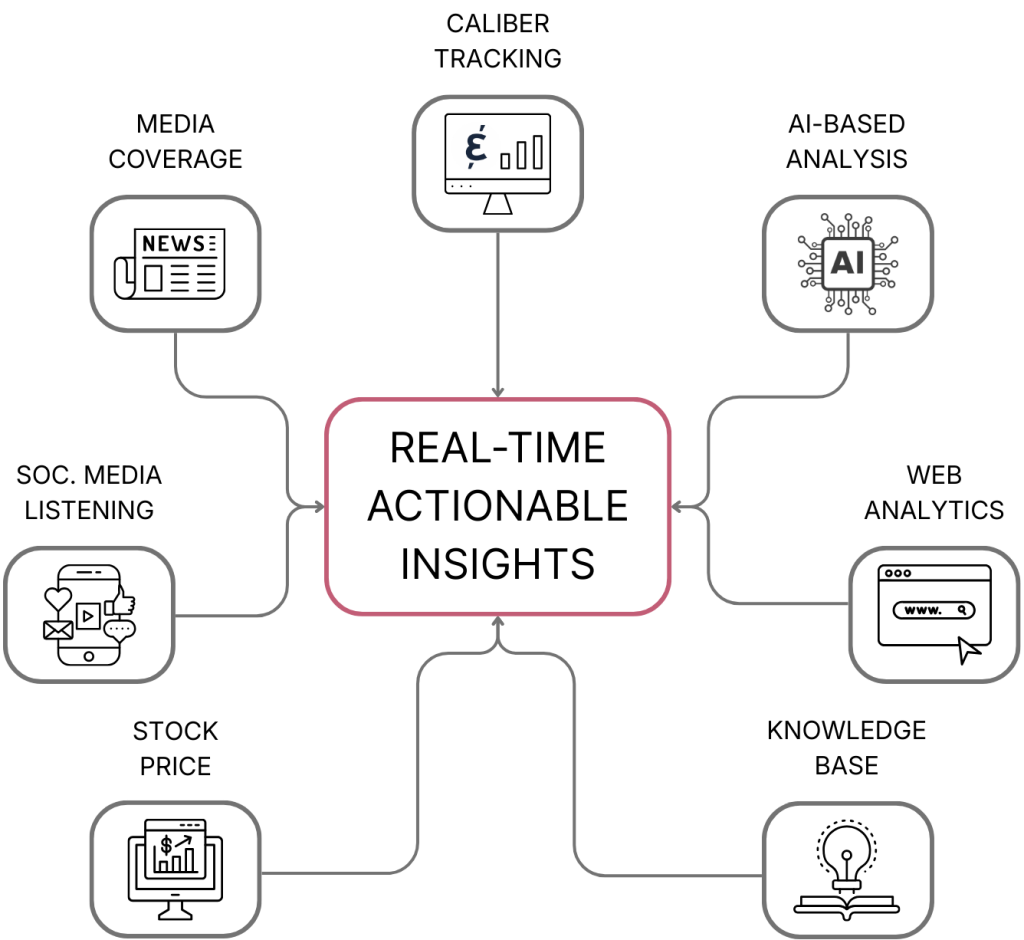
Stakeholder input is interpreted alongside other data, such as:
The goal is not just to know what stakeholders think, but:
Insights are used to inform:
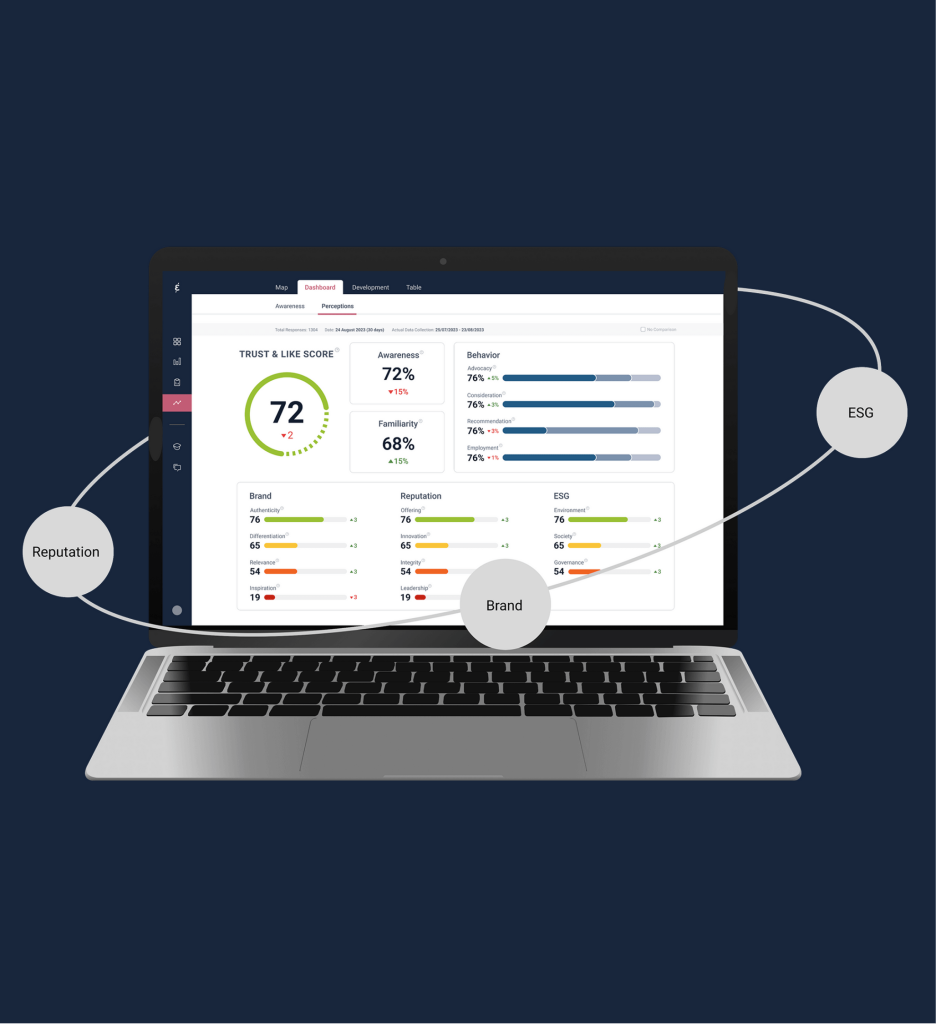
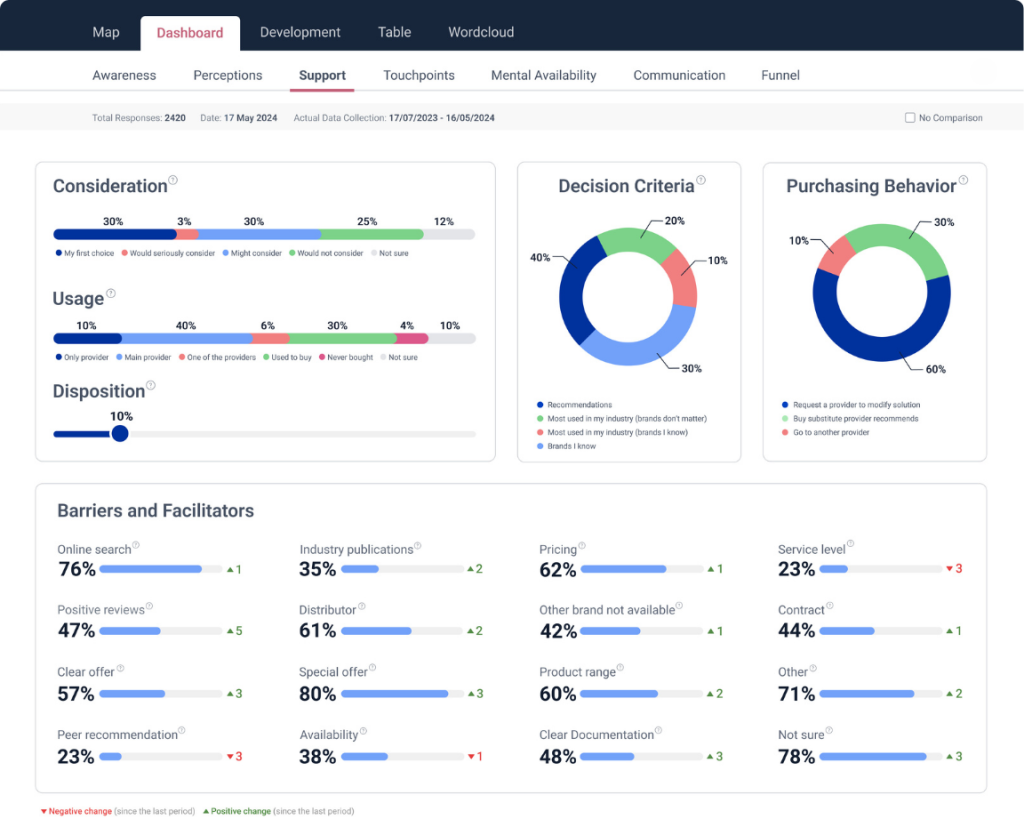
We help organizations understand, in real time, the people who matter to them — so they can make smarter decisions about their brand, reputation, and business.
We ask an organization’s stakeholders — customers, suppliers, investors, opinion leaders, current and prospective employees — what they think about relevant issues.
Those responses are interpreted alongside share price data, media coverage, market signals, web analytics, and our proprietary research, industry knowledge, and historical data.
Using AI to connect these inputs, we provide organizations with real-time, actionable insights that help leaders understand what is happening, why it matters, and where to focus.